Friday, 16 Oct, 2026

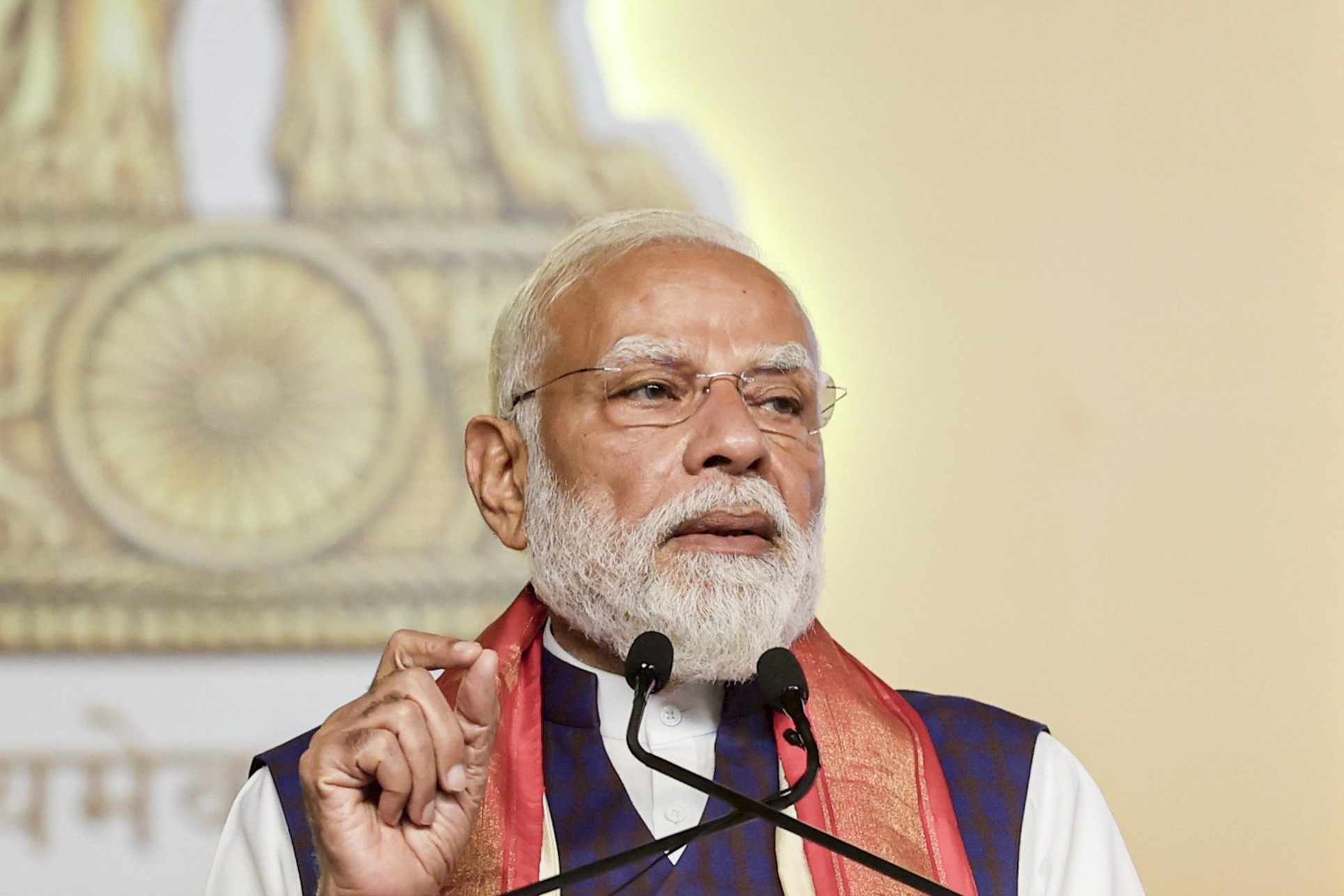
Source of the image is "PMO via PTI"
Prime Minister Narendra Modi’s call for citizens to avoid buying gold for a year and reduce foreign travel is not merely an appeal for austerity. It reflects concerns over rising dollar outflows at a time when expensive crude oil, global uncertainty and import dependence are putting pressure on India’s external sector.
As global uncertainty deepens and pressure builds on India’s foreign exchange reserves, Prime Minister Narendra Modi has made an unusual public appeal: buy less gold, reduce fuel consumption, avoid non-essential foreign travel, and cut dependence on imported edible oils and fertilisers.
The message comes at a time when India’s import bill is rising sharply due to expensive crude oil, record gold imports, and global supply-chain disruptions linked to the West Asia conflict. Together, gold, crude oil, vegetable oils and fertilisers now account for more than $240 billion of India’s import bill, nearly one-third of the country’s total imports.
India’s total imports in FY26 stood at around $775 billion. Out of this, crude oil alone accounted for nearly $135 billion, gold imports touched almost $72 billion, vegetable oils crossed $19 billion, while fertiliser imports stood near $15 billion.

The concern is not merely about imports rising. It is also about the pressure these imports place on India’s foreign exchange reserves and the rupee. India’s forex reserves, which had climbed close to $728 billion in February 2026, slipped to around $691 billion by April amid global volatility and rising import costs. According to the RBI’s latest reserves management report, the reserves currently provide nearly 11 months of import cover, still strong by historical standards, but lower than earlier levels.
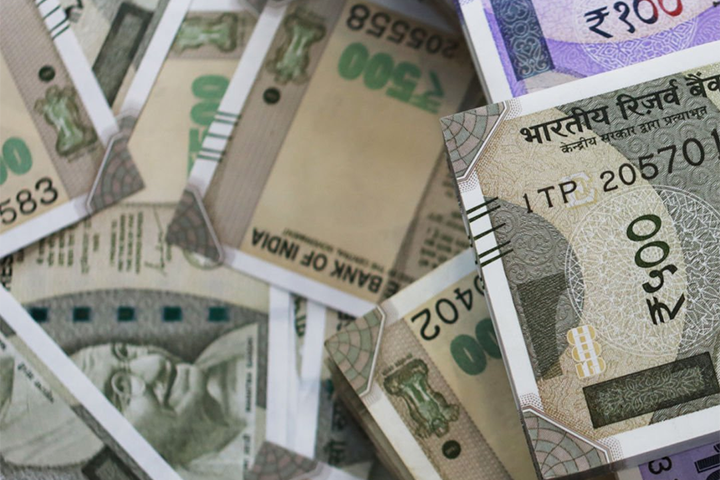
Gold has emerged as one of the biggest pressure points. India is the world’s second-largest gold consumer after China, and imports almost all of its gold requirements. In FY26, India’s gold imports rose 24 per cent to a record $71.98 billion. The increase becomes sharper when viewed over multiple years. Gold imports stood at $35 billion in 2022-23, rose to $43 billion in 2023-24, increased further to $58 billion in 2024-25, and finally crossed $71 billion in 2025-26.
Interestingly, gold demand in India has often remained unaffected by rising prices. Unlike most commodities, higher gold prices frequently trigger more buying rather than less, as consumers fear prices may rise further in the future.
The economic impact of gold imports goes beyond jewellery consumption. Every large-scale gold purchase increases dollar outflows from the economy, adding pressure on the current account deficit and weakening the rupee. India’s current account deficit already widened to $13.2 billion, or 1.3 per cent of GDP, during the December quarter, according to RBI data.
Analysts estimate that even a 30–40 per cent reduction in gold imports for one year could potentially save India $20–25 billion in foreign exchange outflows. A 50 per cent reduction could save nearly $36 billion. At the same time, the Reserve Bank of India itself has continued increasing its gold reserves as part of reserve diversification. India’s gold reserves reached 880 tonnes by March 2026, with gold now accounting for around 16 per cent of total forex reserves, compared to nearly 10 per cent a year earlier.

Alongside gold, crude oil remains India’s biggest external vulnerability. India imports nearly 85 per cent of its oil requirements. The country’s crude oil import bill stood at around $150 billion in FY26, up from approximately $137 billion the previous year. A major reason has been the sudden surge in oil prices after the escalation of the West Asia conflict. India’s crude basket, which had remained between $62 and $70 per barrel earlier, crossed $113 per barrel after March 11.
The implications of expensive crude extend far beyond petrol prices. Fuel costs affect transportation, logistics, agriculture and manufacturing, eventually feeding into inflation across the economy. State-run oil marketing companies are already estimated to be facing under-recoveries of nearly Rs 30,000 crore every month on petrol, diesel and cooking gas sales.
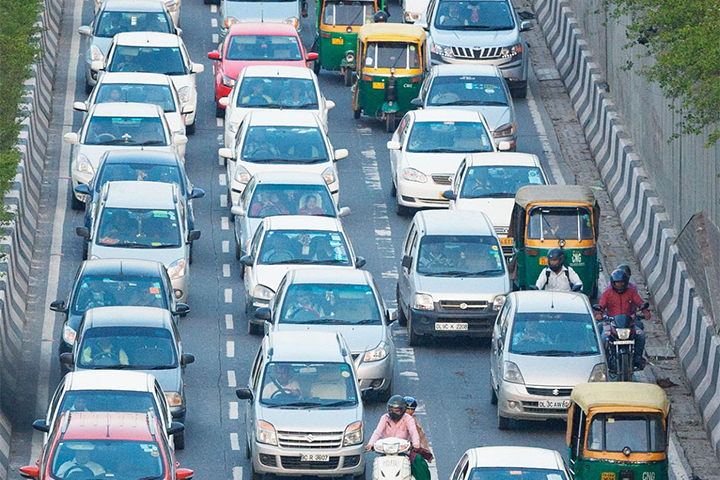
This explains why the Prime Minister urged citizens to rely more on metros, public transport, carpooling and electric vehicles. He also suggested reviving work-from-home arrangements introduced during the Covid-19 pandemic to reduce fuel consumption and commuting costs.
Foreign travel has emerged as another major source of dollar outflows. Under the Liberalised Remittance Scheme (LRS), outward remittances reached nearly $29.6 billion in FY25. More than half of this, around $17 billion, was spent on foreign travel alone. In FY26, outward remittances during the first 11 months stood at nearly $25 billion.
The number of Indians travelling abroad has also increased significantly after the pandemic. In 2025, outbound travel by Indian nationals reached a record 32.71 million departures, compared to 30.89 million the previous year. In contrast, foreign tourist arrivals into India stood at only 9.02 million during the same period, while foreign exchange earnings from tourism declined by 6.6 per cent.
The Prime Minister specifically referred to the growing trend of destination weddings, overseas vacations and non-essential foreign travel among middle-class Indians, urging people to postpone such spending for at least a year.
Edible oils and fertilisers have added another layer of pressure. India depends heavily on imports for edible oils, especially palm oil from Indonesia and Malaysia, and sunflower oil from Russia and Ukraine. The country imported vegetable oils worth nearly $19.5 billion in FY26. Since edible oils are daily essentials with limited substitutes, any increase in global prices or weakening of the rupee quickly affects household expenses.

The fertiliser situation appears even more complicated. India’s fertiliser imports are expected to rise sharply due to increasing global prices and supply disruptions. Imported urea prices reportedly rose from $508 per tonne in February to nearly $935 per tonne, while DAP (di-ammonium phosphate) prices climbed from around $680 last year to nearly $925 per tonne.
India also depends significantly on Gulf countries for both fertiliser imports and LNG supplies used in domestic urea production. Any prolonged disruption in West Asian supply routes could therefore directly affect agriculture and food inflation. This is why PM Modi urged farmers to reduce chemical fertiliser use and move towards lower consumption patterns, though experts acknowledge that a sudden shift towards organic farming may not be practical on a large scale.
Despite the concerns, India is nowhere near a balance-of-payments crisis like 1991. The country’s reserves remain among the strongest globally, and India still has sufficient reserves to cover nearly 11 months of imports. Yet the government’s messaging reflects caution rather than panic. With oil prices elevated, global conflicts continuing, and supply chains under stress, the focus appears to be on conserving foreign exchange and reducing avoidable imports before external pressures intensify further.