Tuesday, 22 Sep, 2026

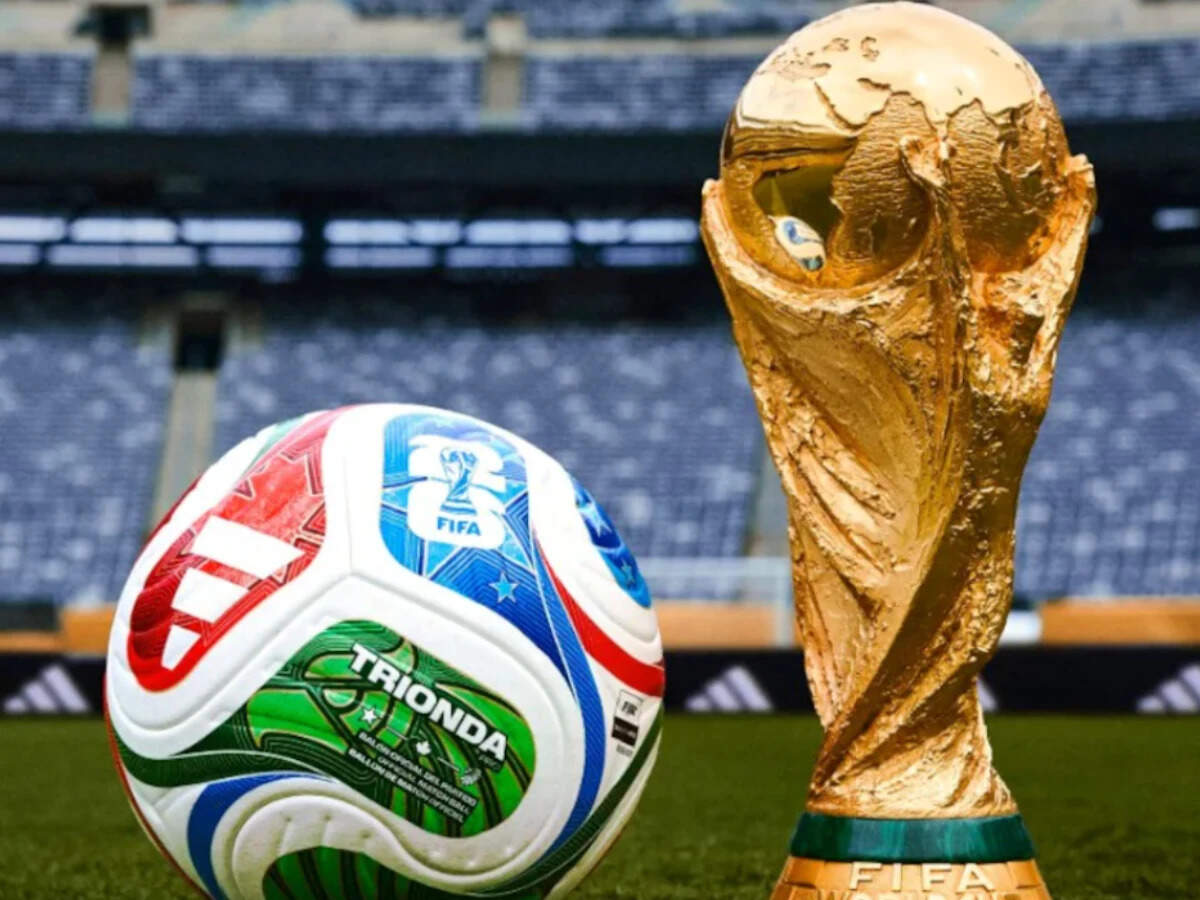
Economics Times Brand Equity - FIFA World Cup expansion feature image
FIFA World Cup 2026 economic impact analysis explores how football’s biggest tournament is transforming into a global business powerhouse. With billions in projected economic benefits, millions of fans, increased tourism, job creation, broadcasting revenue and sponsorship opportunities, the tournament highlights the growing connection between sports and global economies.
Every four years, football decides a champion. But in 2026, the FIFA World Cup will also decide something much bigger — how far a sporting event can move global economies.
With 48 teams, 104 matches, 16 host cities and three host nations — the United States, Canada and Mexico — the FIFA World Cup 2026 will be the largest edition in history. Behind the goals and celebrations is a massive economic machine involving tourism, broadcasting, sponsorships, employment and business growth.
According to FIFA!s World Cup 2026 Socioeconomic Impact Analysis, developed by FIFA and the World Trade Organisation (WTO), with the studies and methodology developed by independent consulting firm OpenEconomics.The tournament is projected to generate up to $40.9 billion in global GDP impact, create nearly 824,000 full-time equivalent jobs, and generate around $8.28 billion in social benefits.
The FIFA World Cup has transformed from a football tournament into a global economic ecosystem— where every ticket sold, advertisement aired and visitor arriving contributes to a larger financial network.
The financial scale of football!s biggest event has grown dramatically.
According to FIFA Financial Reports, FIFA generated approximately $7.5 billion in revenue during the 2019–2022 commercial cycle, with broadcasting rights, sponsorships, hospitality and licensing forming the largest sources of income.
The expanded 2026 format is expected to increase commercial opportunities because the tournament will have 40 more matches than the 2022 edition, creating additional value for broadcasters, advertisers and sponsors.

As explained by Britannica!s analysis of the economics of the FIFA World Cup, the tournament!s value comes not only from football but from the industries built around it — including media, tourism, merchandise and international marketing.
Hosting the World Cup has become a major economic strategy for nations.
According to the report, the 2026 tournament is expected to generate economic activity through: tourism spending, hospitality growth, transport demand, employment opportunities, and local business activity.
The United States alone is expected to receive a major share of the economic benefits. FIFA!s analysis estimates that the US could experience around $17.2 billion in GDP contribution, approximately 185,000 full-time equivalent jobs, and around $30.5 billion in gross output linked to the tournament.
According to FIFA estimates, approximately 6.5 million fans are expected to attend matches during the 2026 tournament. This movement of people creates demand for hotels, airlines, restaurants, transportation services, and local businesses.
A report by on the economic impact of hosting a World Cup published by B2B spend analytics and supplier diversity platform Supplier explains that major sporting events create a chain reaction where visitor spending supports multiple industries.
The World Cup economy is therefore not limited to stadium revenue — it spreads through entire cities.
The biggest financial driver of modern football is the media.
The FIFA World Cup is among the most valuable sports broadcasting events globally because of its ability to attract billions of viewers.
According to Natixis! report #Beyond the Game: The Economics of the 2026 FIFA World Cup,” published by Natixis Corporate and Investment Banking stated that the expanded tournament format increases opportunities for broadcasters, advertisers and commercial partners.
Research by Morgan Stanley estimates that the 2026 tournament could create more than $500 million in advertising revenue opportunities, driven by increased viewership, streaming, and digital engagement.
The modern football audience is no longer limited to television. Streaming platforms and social media have created a new digital economy around every match.
Global companies invest heavily in sponsorship because football provides access to audiences across continents.
The 2026 edition!s larger scale gives brands more opportunities through additional matches, increased digital engagement, and a wider global audience.
As highlighted by Natixis, the World Cup has become a commercial platform where sports, entertainment and business intersect.
The FIFA World Cup 2026 represents the evolution of football from a sporting competition into a global economic force.




.jpg)