Thursday, 17 Sep, 2026

Source: NDTV India
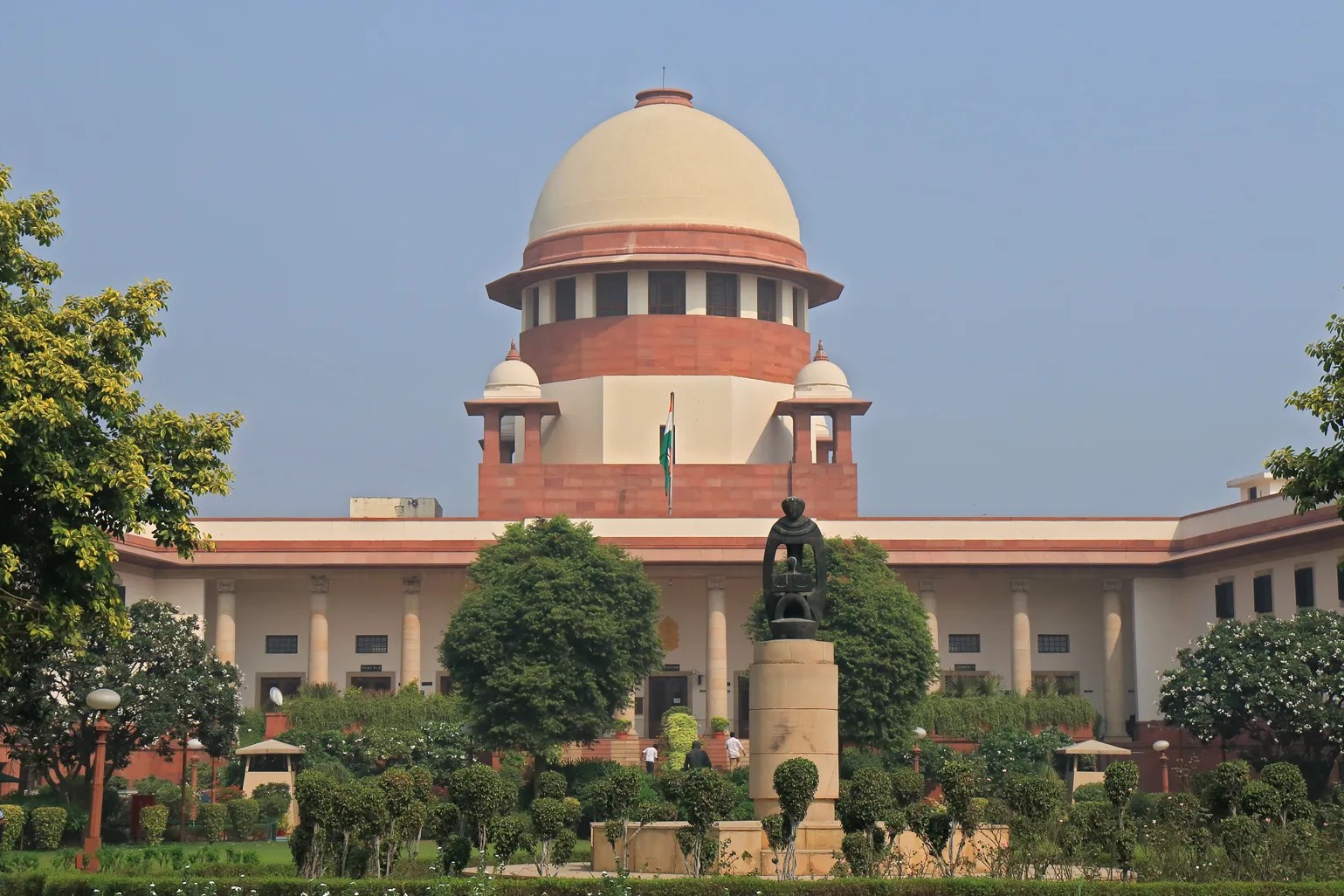
Complaints against sitting judges rose by over 51% between 2016 and 2025, reaching a peak of 1,170 in 2024. In total, 8,630 complaints were received against judges of the Supreme Court and High Courts during this period, according to data shared by the Law Ministry. Nearly half of these were recorded in the last four years alone.
A total of 8,630 complaints were received against sitting judges of the Supreme Court and High Courts between 2016 and 2025, according to data shared by the Ministry of Law and Justice in Lok Sabha. The figures were furnished in a written response by Minister of State for Law and Justice Arjun Ram Meghwal on February 13, following questions raised by DMK MP V.S. Matheswaran, who had sought details regarding complaints of corruption, sexual misconduct and other serious impropriety against members of the higher judiciary.
The year-wise data presented to Parliament shows that complaints have risen by over 51% during this period. In 2016, 729 complaints were received by the office of the Chief Justice of India against sitting judges. By 2025, that number had increased to 1,102. The trajectory over the decade reflects fluctuations but an overall upward movement. After 729 complaints in 2016, the figure stood at 682 in 2017 and 717 in 2018, before rising sharply to 1,037 in 2019. The pandemic year of 2020 recorded the lowest number in the decade, with 518 complaints. The numbers increased again to 686 in 2021 and crossed the thousand mark in 2022 at 1,012. In 2023, 977 complaints were received, followed by the highest figure of the decade, 1,170 in 2024. In 2025, 1,102 complaints were recorded. Nearly half of all complaints in the ten-year period were received in the last four years between 2022 and 2025, indicating a pronounced post-pandemic surge.
While the parliamentary question had specifically asked whether action was taken on these complaints, the written reply did not provide details regarding action taken, outcomes or disciplinary measures. The response focused on the number of complaints received and the mechanism under which they are handled.
Addressing queries about documentation and monitoring, the Ministry reiterated that the independence of the judiciary is enshrined in the Constitution. Complaints against judges of the higher judiciary are dealt with through an established “in-house mechanism” adopted by the Supreme Court on May 7, 1997. Under this procedure, the Chief Justice of India is competent to receive complaints against judges of the Supreme Court and Chief Justices of High Courts, while Chief Justices of the respective High Courts handle complaints concerning judges of their courts. The mechanism is guided by two resolutions- the “Restatement of Values of Judicial Life,” which lays down standards and principles to be observed by judges, and the in-house procedure providing for suitable remedial measures against judges who do not adhere to those accepted values.
The government clarified that it does not directly monitor these records. However, complaints received through the Centralised Public Grievance Redress and Monitoring System (CPGRAMS), an online 24×7 portal linked to ministries, departments and states, are forwarded to the Chief Justice of India or the concerned High Court Chief Justice for further action. The reply did not elaborate on how complaints are tracked once forwarded, nor did it respond to questions on whether additional guidelines would be introduced to strengthen documentation or accountability.

The data on complaints comes amid persistent concerns about judicial pendency and vacancies. As of September 25, 2025, 5.34 crore cases were pending across courts in the country. This includes 4.7 crore cases in district and subordinate courts, 63.8 lakh cases in High Courts and 88,251 cases before the Supreme Court. In a separate written reply to the Rajya Sabha on December 4, 2025, the Law Minister stated that 4,855 posts of judges were vacant in district courts and 297 vacancies existed in various High Courts. Pending cases in the Supreme Court stood at 90,694 as of December 1, 2025, compared to 70,239 in 2021.
State-level data reflects a concentration of vacancies and pendency in certain regions. Uttar Pradesh has 1,055 vacancies in the lower judiciary, the highest in the country, followed by Gujarat with 535 vacancies and Madhya Pradesh with 384. Among High Courts, the Allahabad High Court has the highest number of vacant posts at 60 and also the highest pendency, with 11,66,971 cases pending. Lower courts in Uttar Pradesh account for 1,13,05,841 pending cases, the highest among states.
President Droupadi Murmu has described public hesitation in approaching courts as the “black coat syndrome,” reflecting concerns around access to justice and delays in the legal system. Against this backdrop, data shared in Parliament records a steady rise in complaints against members of the higher judiciary over the past decade and outlines the mechanism through which these complaints are handled. However, the response does not clarify what action was taken in these cases or what outcomes followed. The figures come at a time when timely justice remains central to public trust in courts, a principle often summed up in the phrase “justice delayed is justice denied.”