Monday, 12 Oct, 2026

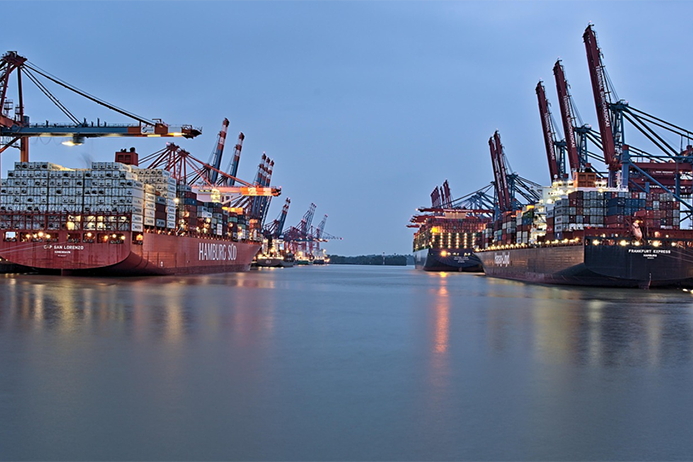
Photo courtesy: Pixabay
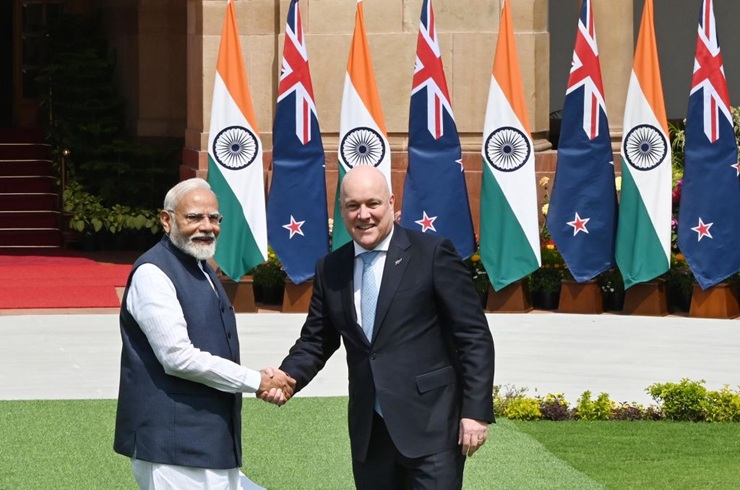
Prime Minister Narendra Modi’s five-nation tour carries significance beyond diplomacy. It reflects India’s push to deepen its role in global supply chains as geopolitical shifts reshape trade flows.
Prime Minister Narendra Modi’s five-nation tour — covering the United Arab Emirates, Netherlands, Italy, Sweden and Norway — is being presented as another step in India’s attempt to deepen economic and strategic partnerships with Europe and West Asia.
Trade certainly provides part of that story. India’s exports to these five countries have risen steadily over the past five years, and their importance in India’s external trade basket has grown meaningfully. Yet the numbers also reveal a familiar structural weakness: India continues to run a sizeable trade deficit with this group despite rising exports.
Both European Union and India are increasingly pivoting towards each other amid rising geopolitical uncertainty, supply-chain disruptions and shifting global trade alignments. For Europe, India offers a large market and an alternative manufacturing partner as dependence on China becomes riskier. For India, closer ties with Europe provide access to technology, investment and stable export markets at a time when global trade is becoming more fragmented and politically contested.
Between FY21 and FY26, India’s share of exports going to these five countries increased from 9.93 per cent to 14.60 per cent. During the same period, imports from these countries rose more moderately, from 9 per cent to 10.19 per cent of India’s total imports.

At first glance, that appears encouraging. Exports have grown faster than imports, suggesting stronger integration with these economies. But the broader balance remains unfavourable. India recorded a cumulative trade deficit of $34 billion with the five countries between FY21 and FY26.
The imbalance is especially visible in India’s trade relationship with the UAE, which has emerged as the dominant partner within the group. In FY26, the UAE accounted for 8.46 per cent of India’s exports and 3.96 per cent of imports among the five nations considered. India has also signed a bilateral trade agreement with the UAE, particularly strengthening energy and oil-related engagement.
Yet the structure of trade remains heavily concentrated around a few commodities.
India’s exports to the UAE were dominated by gold and jewellery, which accounted for 15.3 per cent of exports. Imports from the UAE, meanwhile, were overwhelmingly led by gold, which alone constituted 23.97 per cent of imports.

A similar concentration is visible across India’s trade with the European partners on Modi’s itinerary.
Exports to the Netherlands were dominated by petroleum products, which accounted for 48.2 per cent of outbound shipments, while imports were led by drug formulations at 8.07 per cent.
With Italy, iron and steel products formed 15.7 per cent of India’s exports, whereas dairy machinery accounted for 16.24 per cent of imports.
Trade with Sweden remained concentrated around telecom equipment on the export side, accounting for 14.3 per cent, while copper products made up 13.86 per cent of imports.
Norway displayed perhaps the sharpest commodity dependence. Chemicals and related products contributed 12.5 per cent of India’s exports to the country, while petroleum products dominated imports with a 31.21 per cent share.
The pattern reveals both progress and limitation.
India has undoubtedly expanded commercial engagement with these economies. The rising export share indicates that Indian firms are finding larger markets in Europe and West Asia. But the trade basket remains narrow and commodity-driven, leaving bilateral trade vulnerable to fluctuations in global prices and sector-specific demand.
That concentration also reflects the broader nature of India’s export structure. High-value manufacturing exports remain limited, while petroleum products, gems and jewellery, metals and chemicals continue to dominate large parts of India’s external trade.
The persistence of trade deficits despite stronger export growth suggests that India’s dependence on imported energy, gold and specialised industrial goods remains substantial. Strategic partnerships and trade agreements can improve market access, but they do not automatically alter the composition of trade.
That perhaps explains why diplomatic outreach is increasingly accompanied by efforts to strengthen domestic manufacturing under initiatives such as Make in India and production-linked incentive schemes. Without deeper diversification of exports, India’s trade relationships may continue to expand in volume while remaining structurally imbalanced.
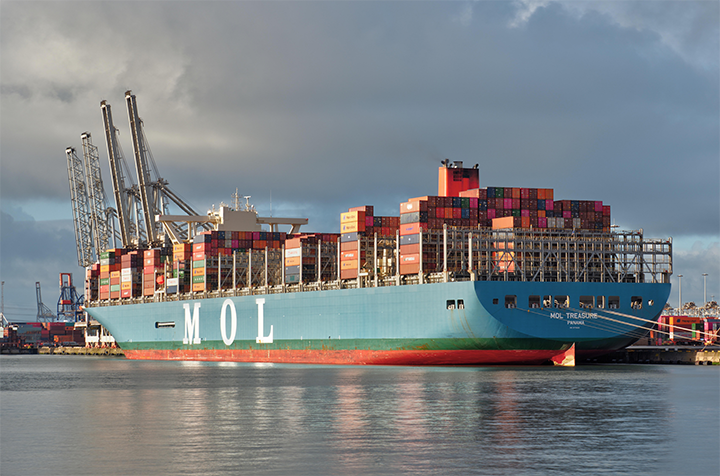
The five-nation tour therefore carries significance beyond diplomacy. It reflects India’s attempt to position itself more deeply within global supply chains at a time when geopolitical realignments are reshaping trade flows across regions.
But the numbers also offer a reminder. Expanding trade ties is easier than changing the structure of trade itself.