Saturday, 03 Oct, 2026

By: Damini Mehta
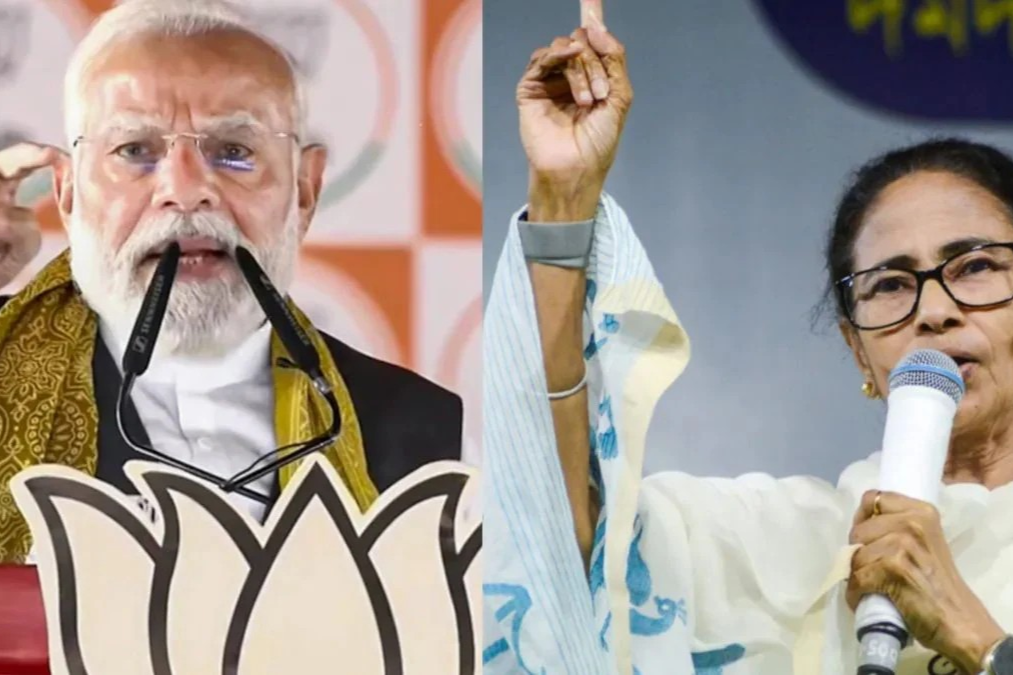
Image Source: Financial Express
From Fringe to Power: How BJP's 207-Seat Bengal Rout Ended Mamata's Reign – Suvendu Adhikari's CM Rise, Tribal Voter Surge, TMC Fragmentation, and What It Means for 2029 Lok Sabha Battles. A Data-Rich Dissection of 2026's Seismic Shift.
In the sweltering heat of early May, as counting day unfolded across West Bengal's 294 assembly constituencies, a quiet revolution took shape. The Bharatiya Janata Party swept to power with 207 seats, shattering the Trinamool Congress's iron grip that had lasted over a decade under Mamata Banerjee. This wasn't just an electoral upset; it was a seismic realignment, with the BJP's tally dwarfing its 2021 haul of 77 seats, while TMC plummeted from 213 to 80. Voter turnout hit a staggering 92.93 percent, the highest in decades, signaling a populace weary of incumbency and hungry for change.
The numbers tell a stark story. Official Election Commission data shows BJP leading or winning in diverse terrains—from the tribal hills of Alipurduars to the industrial belts of Hooghly. TMC clung to pockets in Kolkata and its Muslim-majority strongholds, but even there, cracks appeared. Smaller players like Congress (2 seats), Aam Janata Unnayan Party (2), CPI(M) (1), and All India Secular Front (1) nibbled at the edges, fragmenting the anti-BJP vote. Vote shares, still being finalized via Form-20, point to BJP crossing 47 percent—a quadrupling from 10 percent in 2016 and a leap from 38 percent in 2021—while TMC likely dipped below 40 percent from its 2021 peak of 48 percent.
What propelled this turnaround? Start with the groundswell among marginalized communities. In Jangalmahal's tribal-dominated Jhargram district, BJP won every seat, consolidating Scheduled Tribe votes that had begun shifting in 2021. Here, resentment over alleged TMC neglect—festering infrastructure gaps and sporadic violence—boiled over. A local BJP worker in Bandwan summed it up: "Didi's schemes reached us in name only; now we want roads that last the monsoons." Similarly, Scheduled Caste voters in central Bengal's Burdwan, long TMC loyalists, swung decisively. In the key constituency of Kalna, BJP's victory margin exceeded 20,000 votes, flipping a 2021 TMC hold by leveraging welfare fatigue and promises of central funds.
Leadership loomed large too. Narendra Modi's rallies drew unprecedented crowds, blending national stature with local grievances like Sandeshkhali's women's unrest. Mamata's campaign, heavy on "Bengali asmita" and freebies like Lakshmir Bhandar, faltered amid corruption scandals and post-poll violence accusations. "The Didi magic wore thin when voters saw the governance gaps," noted political analyst Suman Chattopadhyay in a recent op-ed.
Suvendu Adhikari: The Defector Who Became Bengal's First Saffron CM
No figure embodied this shift more than Suvendu Adhikari, the pugnacious ex-TMC strongman turned BJP powerhouse. Once Mamata Banerjee's trusted transport minister and a key architect of her 2011 Left-toppling victory, Adhikari's dramatic 2020 defection—sparked by Nandigram seat-sharing disputes—proved prophetic. He not only wrested that iconic seat from the chief minister in 2021 by a razor-thin 1,956 votes but has now ascended as West Bengal's first BJP chief minister, sworn in last week amid jubilant saffron crowds in Kolkata.
Adhikari's rise wasn't mere opportunism; it was a masterclass in bridge-building. His Kanthi family dynasty commands loyalty across Purba Medinipur's fishing villages and farmlands, where he flipped six assembly segments this time. Voters who once cheered his TMC-era cyclone relief efforts now credit his BJP avatar for exposing TMC's "syndicate raj" and pushing central highways. In Mahishadal, his margin ballooned to 35,000 votes, a testament to his booth-level grip. Critics call him a "turncoat," but supporters see a pragmatist who dragged TMC's Hindu vote base eastward. As CM, his early moves—pledging industrial revivals in Haldia and a probe into voter list anomalies—signal a no-nonsense style that could either stabilize BJP's gains or ignite fresh turf wars.

Opposition missteps amplified BJP's edge. The INDIA bloc's collapse—Congress and Left contesting separately—split the secular vote in minority districts like Murshidabad and Malda. In Murshidabad, TMC held but with slimmer margins as Muslim votes trickled to Congress and AISF, allowing BJP breakthroughs elsewhere. TMC's failure to counter BJP's Hindutva lite narrative, focusing instead on regional pride, left urban youth disillusioned. Surveys pre-poll had pegged youth turnout at 75 percent favoring change, drawn by BJP's jobs pitch amid 15 percent unemployment.
Women voters, TMC's supposed fortress via schemes, showed subtle shifts. While Lakshmir Bhandar sustained loyalty in rural south Bengal, urban women in Howrah cited safety fears post-Sandeshkhali. In that explosive constituency, BJP's win by over 15,000 votes underscored how local outrage trumped welfare. Youth, too, tilted saffron: BJP's digital blitz on unemployment and migration resonated in Asansol's working-class hubs, where it overturned a TMC bastion.
National currents intertwined with regional faultlines. The Ram Navami processions, once flashpoints, passed peacefully under BJP watch post-2021, blunting TMC's "anti-Hindu" jabs. Central schemes like PM Awas gained traction, contrasting TMC's "syndicate raj." Yet, this wasn't pure Modiwave; BJP's booth-level grind—adding 50,000 workers since 2021—proved decisive. TMC's over-reliance on muscle and money, exposed in voter deletion controversies, backfired. In tight races like Taldangra, "under adjudication" deletions matched margins, fueling TMC cries of rigging, though ECI dismissed systemic bias.
The opposition's strategy crumbled under its own weight. A hamstrung alliance meant no unified front against BJP's machine. Left's revival bid flopped, winning just one seat, while Congress's two were sympathy picks. "Fragmentation gifted BJP the arithmetic," observed pollster Pradeep Gupta, whose firm had predicted a hung house but underestimated consolidation.
Zoom out, and Bengal's verdict ripples nationally. It punctures the myth of unbreakable regional satraps, signaling BJP's eastern expansion post-Assam retention. For 2029 Lok Sabha, expect intensified TMC-BJP duels in 42 seats where BJP now leads 121 segments. Welfare populism faces scrutiny—can BJP deliver without TMC's scheme sprawl? Caste equations evolve: Matua consolidation boosted BJP among Namasudras, hinting at broader Dalit realignments.
Yet, challenges loom. Governing a polarized state demands finesse; violence risks could flare if BJP stumbles on jobs or floods. Mamata's rump legislature ensures feisty opposition, but her national ambitions hinge on revival. Bengal, long a Left-TMC duopoly, now enters uncharted saffron territory. As one veteran TMC MP reflected post-results, "We underestimated the quiet anger building in the villages." The 2026 mandate wasn't a wave—it was a reckoning, born of patient groundwork and voter exhaustion. India's most literate state has spoken: change, delivered with data and determination.